
When one paycheck covers everything, the pressure of feeding people well on what’s left after bills can feel genuinely suffocating. These foolproof cottage recipes for single income households came out of a real season of financial tightness in my own life, a period when I had to think hard about every grocery dollar and still needed to put something warm and satisfying on the table every night. No expensive ingredients. No complicated techniques. Just honest, reliable food that works.
1. Slow Cooker Beef and Vegetable Stew
Chuck roast is one of the cheapest cuts of beef available, and the slow cooker turns it into something that tastes like it came from a proper restaurant kitchen. The long, low cooking time breaks down the tough connective tissue and produces meat so tender it falls apart when you touch it with a fork.
Cut a pound of chuck roast into chunks and season well with salt and pepper. Add to the slow cooker with diced potatoes, carrots, celery, onion, beef broth, Worcestershire sauce, tomato paste, garlic powder, thyme, and a bay leaf. Cook on low for 8 hours. The broth thickens naturally as the vegetables break down slowly throughout the day. Serve with crusty bread to catch every drop. This makes six generous portions, meaning dinner and lunch the next day are already handled from one cooking session.
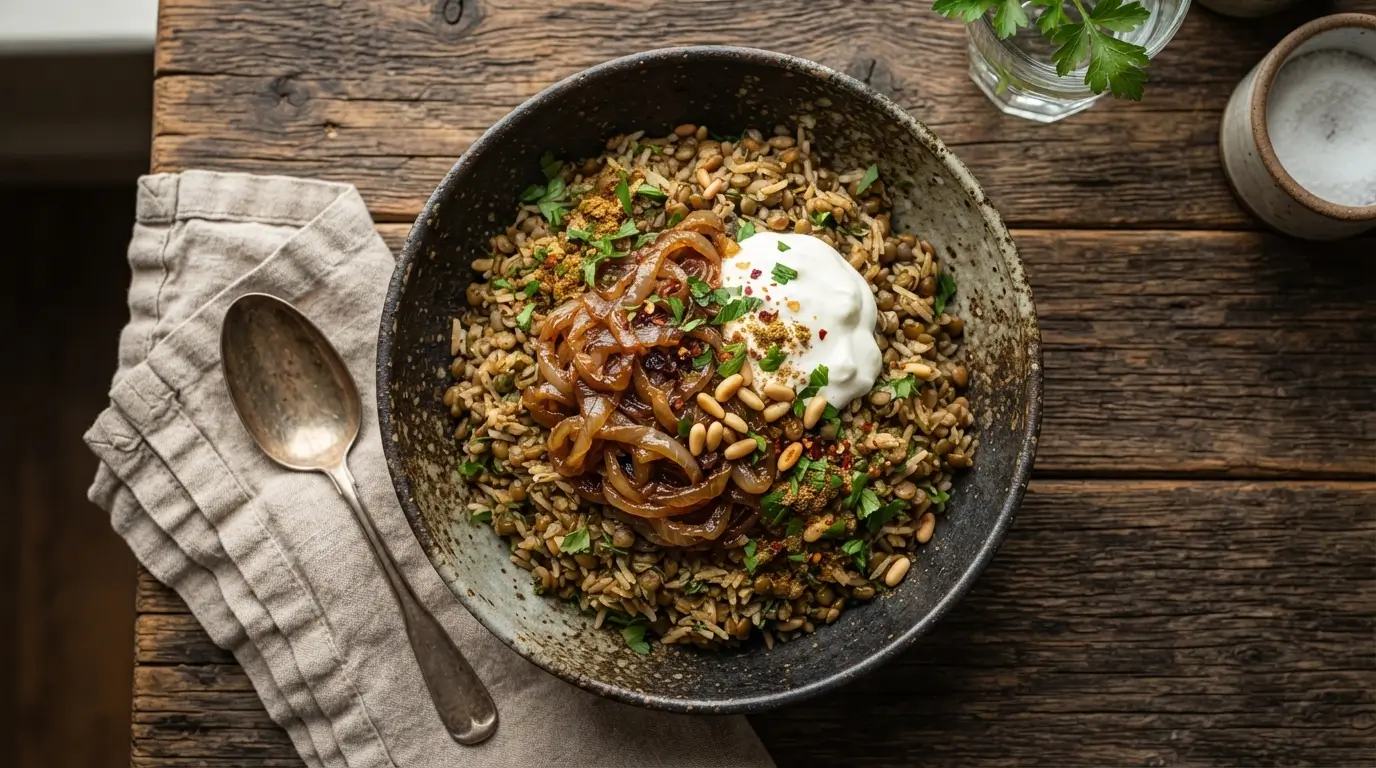
2. Rice and Lentil Pilaf with Caramelized Onions
Lentils and rice together create a complete protein, which means this simple dish genuinely nourishes a household without any meat required. It’s filling, deeply savory, and costs under $2 to make a full pot of it. I made this at least twice a month during the tightest stretch of my single-income years and never once felt like I was eating poor.
Cook a large sliced onion in butter or oil over medium heat for 20 to 25 minutes, stirring occasionally, until deeply golden and caramelized. Set aside. In the same pot, combine rinsed green or brown lentils, long-grain white rice, chicken or vegetable broth, cumin, coriander, salt, and pepper. Bring to a boil, reduce to a simmer, cover, and cook for 20 minutes. Top each serving with caramelized onions and a dollop of plain yogurt. The sweetness of the onions against the earthy lentils is something genuinely special.
3. One-Pan Baked Chicken Drumsticks and Potatoes
Chicken drumsticks are almost always the cheapest part of the chicken at any grocery store, often under $1.50 per pound, which makes them the single best protein option for single-income cooking. They roast beautifully, stay juicy, and pick up seasoning better than most other cuts.
Toss drumsticks and halved baby potatoes with olive oil, salt, pepper, garlic powder, paprika, and dried rosemary. Spread everything onto a lined baking sheet without crowding, then roast at 425°F for 40 to 45 minutes. The chicken skin turns crispy and golden, the potatoes get caramelized edges, and the whole thing comes together in one pan with almost no active effort from you. Pull it out, let it rest five minutes, and serve straight from the pan. Cleanup takes three minutes.
4. Homemade Tomato Basil Pasta Sauce
Jarred pasta sauce feels convenient until you realize making your own costs half the price and tastes noticeably better. A batch of homemade tomato sauce takes 25 minutes, makes enough for two pasta dinners, and freezes perfectly for a future busy night when cooking feels genuinely out of reach.
Heat olive oil in a saucepan over medium heat, add three minced garlic cloves, and cook for 60 seconds until fragrant. Pour in two cans of crushed tomatoes, add dried basil, oregano, a pinch of sugar, salt, red pepper flakes, and a small knob of butter for richness. Simmer uncovered for 20 minutes, stirring occasionally. The butter rounds out the acidity of the tomatoes and makes the sauce taste almost creamy. Use it over spaghetti tonight, then freeze the rest in a Stasher bag flat for next week.
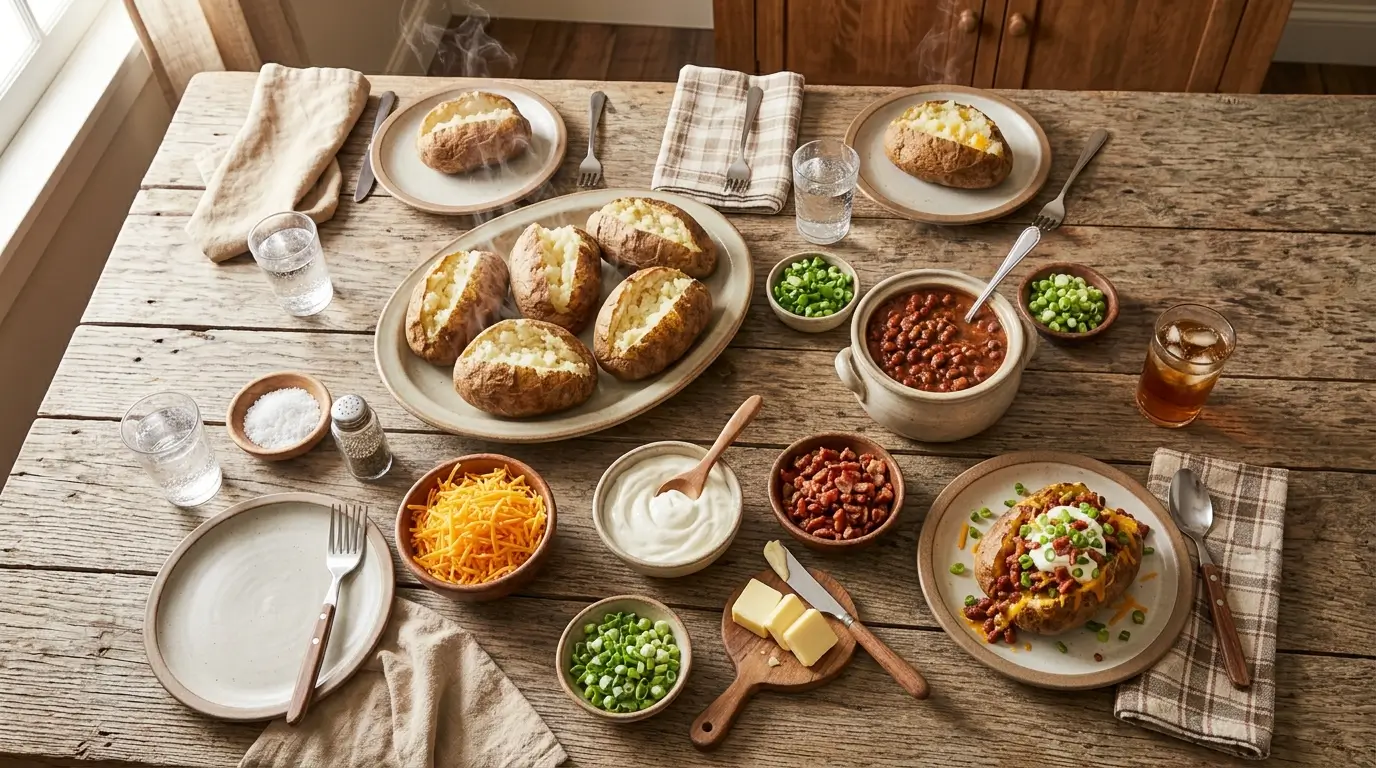
5. Baked Potato Bar Night
A baked potato bar sounds underwhelming until you actually try it for a family dinner. It costs almost nothing, requires zero cooking skill, and everyone builds their own plate from a lineup of toppings, which makes even picky eaters happy. This is one of the foolproof cottage recipes for single income households that earns a permanent spot in the weekly rotation.
Scrub large russet potatoes, poke them several times with a fork, rub them with oil and salt, and bake directly on the oven rack at 400°F for 55 to 60 minutes. While they bake, set out toppings: shredded cheddar cheese, sour cream, canned chili (Bush’s makes a solid one), butter, sliced green onions, and hot sauce. Each potato costs about 40 cents. Load it with chili and cheese and you’ve got a complete, filling meal for under $1.50 per person. FYI, leftover baked potatoes reheat perfectly the next morning as a breakfast hash.
6. Egg Drop Soup with Rice
This one surprises people every time because it tastes like something you’d order at a restaurant, but the entire pot costs under $1.50 to make. Egg drop soup is warm, light but satisfying, and comes together in under ten minutes. Serve it alongside leftover rice and it becomes a complete meal.
Bring four cups of chicken broth to a gentle simmer in a pot. Season with soy sauce, a pinch of white pepper, and a tiny amount of sesame oil if you have it. Mix a teaspoon of cornstarch with cold water and stir it into the broth to thicken it slightly. Whisk two eggs together in a small bowl, then slowly drizzle them into the simmering broth while stirring in a wide, circular motion. The eggs cook immediately into silky ribbons. Ladle over cooked white rice and top with sliced green onion. Simple and genuinely restorative.
Foolproof Cottage Recipes for Single Income Households: Stretching Ingredients Across the Week
The real skill behind foolproof cottage recipes for single income households isn’t finding the cheapest individual recipe. It’s learning to cook in a way where ingredients from one meal flow directly into the next, eliminating waste and reducing the number of items you need to buy each week.
Here’s how that looks in practice across a sample week:
- Cook a whole rotisserie chicken on Monday. Use the meat for Monday’s dinner.
- Simmer the carcass into broth for Tuesday’s egg drop soup and Wednesday’s lentil pilaf.
- Make a big pot of tomato sauce on Sunday. Use half over pasta Tuesday, freeze the rest.
- Bake extra potatoes on potato bar night. Use leftovers for a breakfast skillet on Saturday morning.
- Buy a bag of dried lentils, onions, and rice. These appear across at least three meals without repeating.
Shopping at Aldi or Walmart for store-brand pantry staples, buying whole chickens instead of parts, and choosing dried beans over canned all reduce weekly costs by 20 to 30 percent without changing what you eat in any meaningful way.
7. Skillet Cornbread and Butter Beans
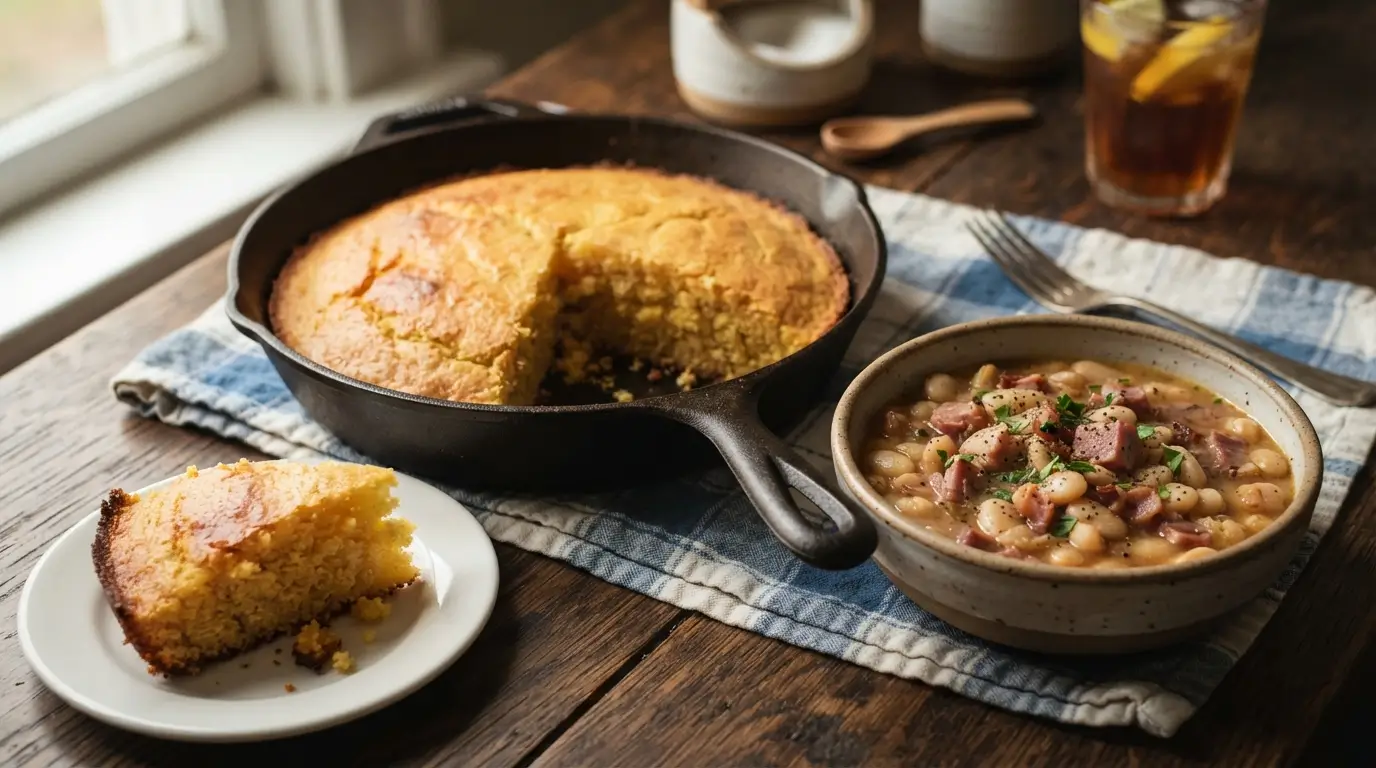
Southern cooking figured out single-income eating generations ago, and butter beans with cornbread is the proof. Dried large lima beans (sold as butter beans at most Southern grocery stores) cook into a creamy, rich pot of beans that pairs with homemade cornbread to create one of the most satisfying cheap meals I’ve ever eaten.
Soak a pound of dried butter beans overnight, then simmer them in chicken broth with a smoked ham hock or a few strips of bacon, salt, garlic powder, and onion powder for 90 minutes until tender and creamy. Meanwhile, make cornbread by combining cornmeal, flour, an egg, buttermilk, melted butter, salt, sugar, and baking powder in a bowl. Pour into a greased cast iron skillet and bake at 425°F for 20 minutes. The cast iron skillet gives the cornbread crispy sides and a golden bottom that no baking dish replicates.
8. Tuna Casserole with Egg Noodles
Tuna casserole has a reputation problem it doesn’t deserve. Made correctly, without the sad canned soup shortcut, it’s genuinely creamy, comforting, and filling enough to satisfy a table of hungry people for a price that makes the grocery receipt feel almost laughably low.
Cook egg noodles to just underdone, then drain. In a pot, melt butter, whisk in flour, and cook for one minute. Slowly add milk and chicken broth while whisking until smooth and thickened. Stir in shredded cheddar, salt, garlic powder, and pepper. Fold in two drained cans of Starkist chunk light tuna, frozen peas, and the cooked noodles. Pour into a greased baking dish, top with buttered breadcrumbs, and bake at 375°F for 25 minutes. Four to five servings, total cost around $5. This reheats well and tastes even better on day two.
9. Black Eyed Pea and Sausage Rice Bowl
Smoked sausage is one of the most cost-effective proteins available because a single 14-ounce package goes extremely far when paired with beans and rice. Black eyed peas cost almost nothing from a dried bag and produce a smoky, hearty bowl that feels like real comfort food rather than budget food.
Slice one package of Hillshire Farm Beef Smoked Sausage into thin rounds and cook in a large skillet until browned on both sides. Add a diced onion and bell pepper, cook for five minutes, then add cooked black eyed peas (from a can or soaked dried beans), chicken broth, garlic powder, smoked paprika, cayenne, and salt. Simmer together for 10 minutes until everything melds. Serve over cooked white rice. The smokiness from the sausage and paprika carries the whole dish. This feeds four people easily and costs about $6 total for the whole pot.
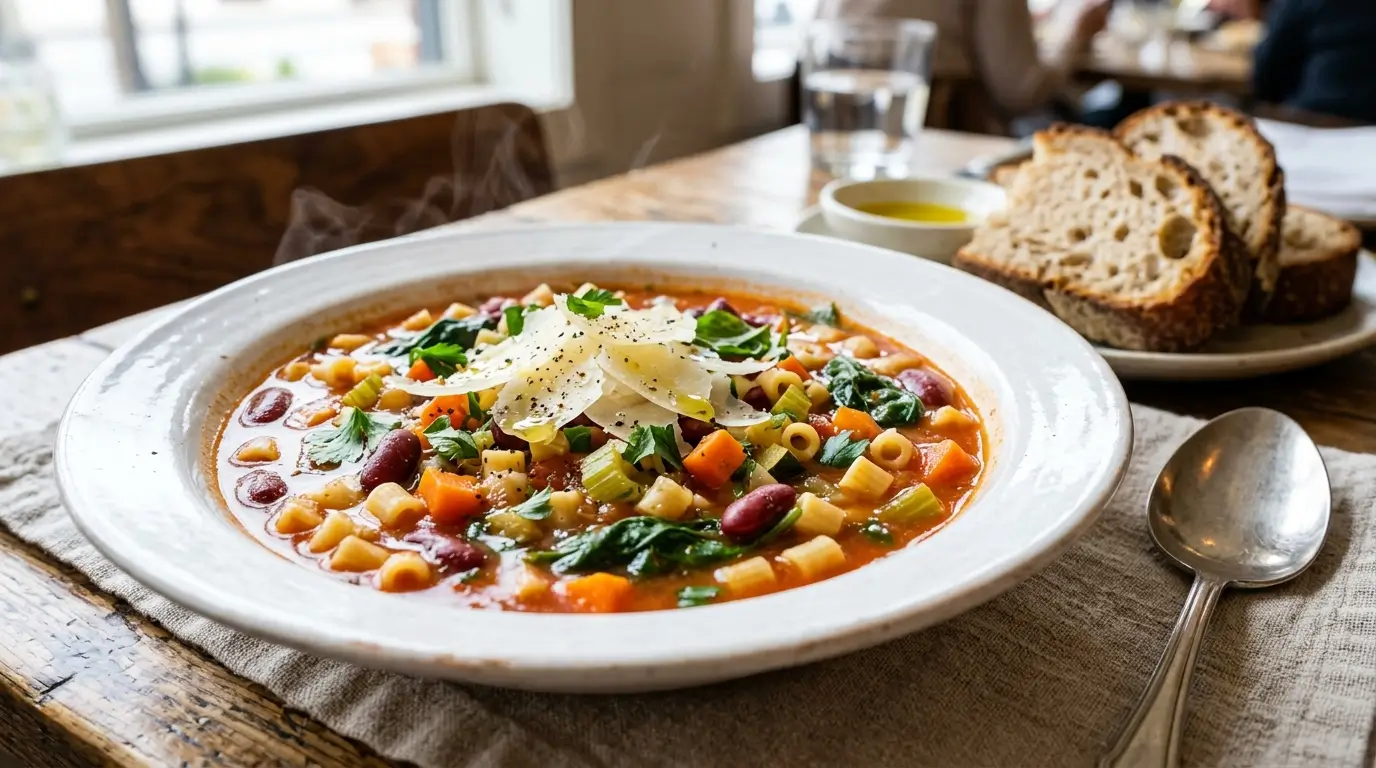
10. Simple Vegetable Minestrone
Minestrone is designed around using whatever vegetables need to be used before they go bad, which makes it one of the most practical soups for any household watching food costs closely. The base stays consistent: broth, canned tomatoes, pasta, and beans. Everything else is flexible.
Heat olive oil in a large pot, sauté a diced onion, two carrots, and two celery stalks until softened. Add garlic powder, Italian seasoning, salt, and red pepper flakes. Pour in a can of diced tomatoes, a can of drained kidney or cannellini beans, and four cups of vegetable or chicken broth. Bring to a boil, add a cup of small pasta directly to the pot, and simmer until the pasta is tender. Stir in a large handful of spinach right at the end and let it wilt for one minute. Parmesan on top makes it feel finished and special. IMO, this is the single most flexible recipe on this entire list.
FAQs
What makes these foolproof cottage recipes good for single income households specifically?
They all rely on inexpensive pantry staples, produce minimal food waste by using ingredients across multiple meals, and require no specialized equipment or cooking skill. Most of them also make enough for leftovers, which means one cooking session covers two meals rather than one, stretching time and money simultaneously.
How do I keep grocery costs under $75 a week for a family using these recipes?
Plan your meals for the full week before shopping, write a precise list, and buy only what’s on it. Choosing dried beans over canned, whole chickens over parts, and store-brand pantry items over name brands cuts costs significantly. Shopping at Aldi first and filling gaps at a second store helps too.
Can I substitute ingredients when I’m missing something specific?
Most of these recipes are forgiving. Vegetable broth replaces chicken broth in every recipe here. Any pasta shape works in the minestrone and tuna casserole. Pinto beans replace cannellini or black eyed peas without issue. The flavor changes slightly but the meal still works. Cooking on a single income teaches substitution instincts faster than anything else.
Which of these recipes freezes best for future meals?
The beef stew, tomato pasta sauce, tuna casserole, and minestrone all freeze beautifully for up to three months. Cool them completely before portioning into freezer-safe containers or Ziploc freezer bags. Label with the date and contents. Having four to six frozen meals in reserve removes the pressure of cooking on the hardest, most exhausting days of the month.
What slow cooker works best for these budget recipes?
The Crockpot 6-Quart Programmable Slow Cooker handles every recipe on this list comfortably and costs around $35 to $45 depending on where you shop. It’s large enough for batch cooking, simple enough that nothing goes wrong with it, and durable enough to last years of daily use. A good slow cooker pays for itself within a few weeks of regular use.
Conclusion
Living on one income doesn’t mean eating boring food or spending every weeknight stressed about what to put on the table. These recipes prove that thoughtful cooking with simple ingredients produces meals worth looking forward to, even when the budget is genuinely tight. Which recipe are you adding to your rotation first?