
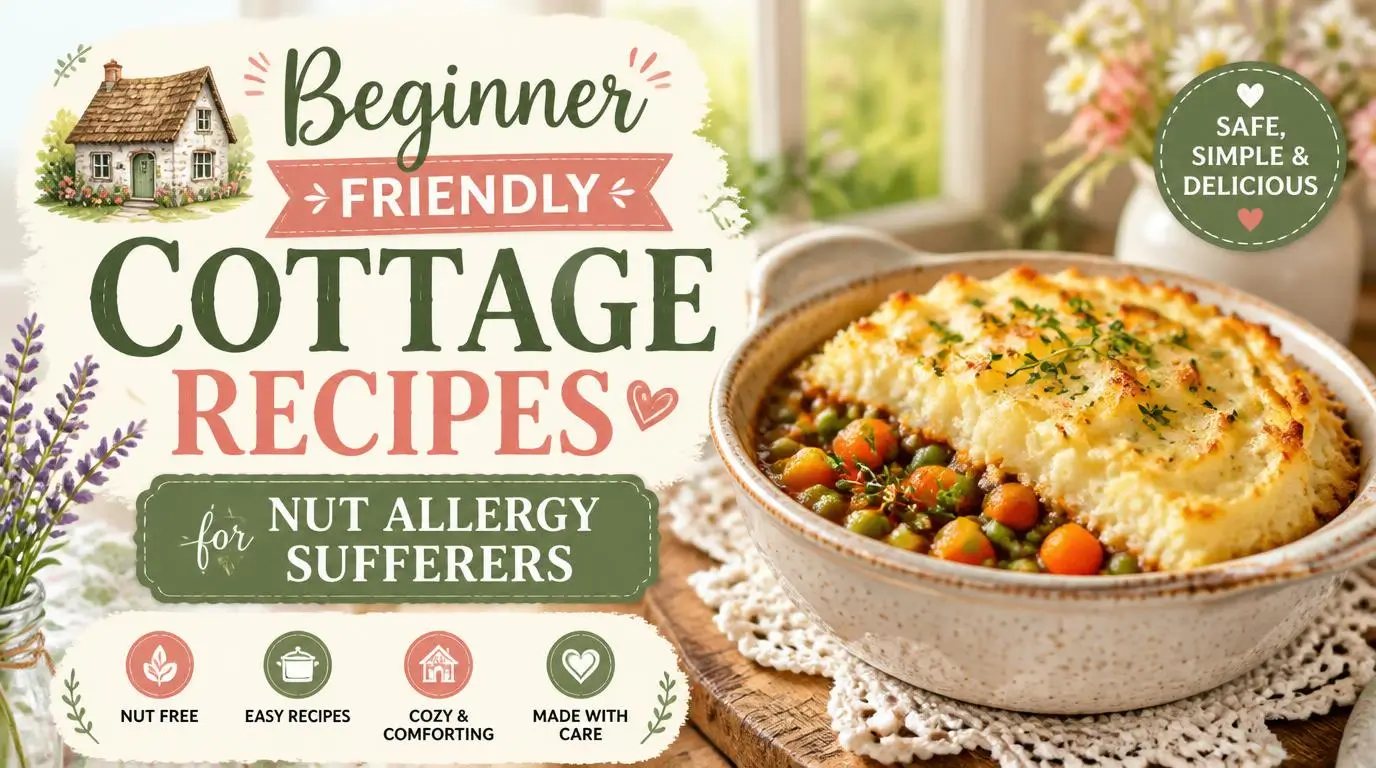
Cooking with a nut allergy means reading every single label, questioning every sauce, and mentally calculating risk before every bite, which is exhausting even before you add the pressure of actually cooking something good. These beginner friendly cottage recipes for nut allergy sufferers skip the anxiety entirely because every recipe here uses whole, straightforward ingredients where nuts have no business showing up anyway. My nephew has a severe tree nut allergy, and these are the recipes I make when he stays with us. No substitutions. No workarounds. Just genuinely safe, genuinely delicious food.
1. Herb Roasted Chicken Drumsticks
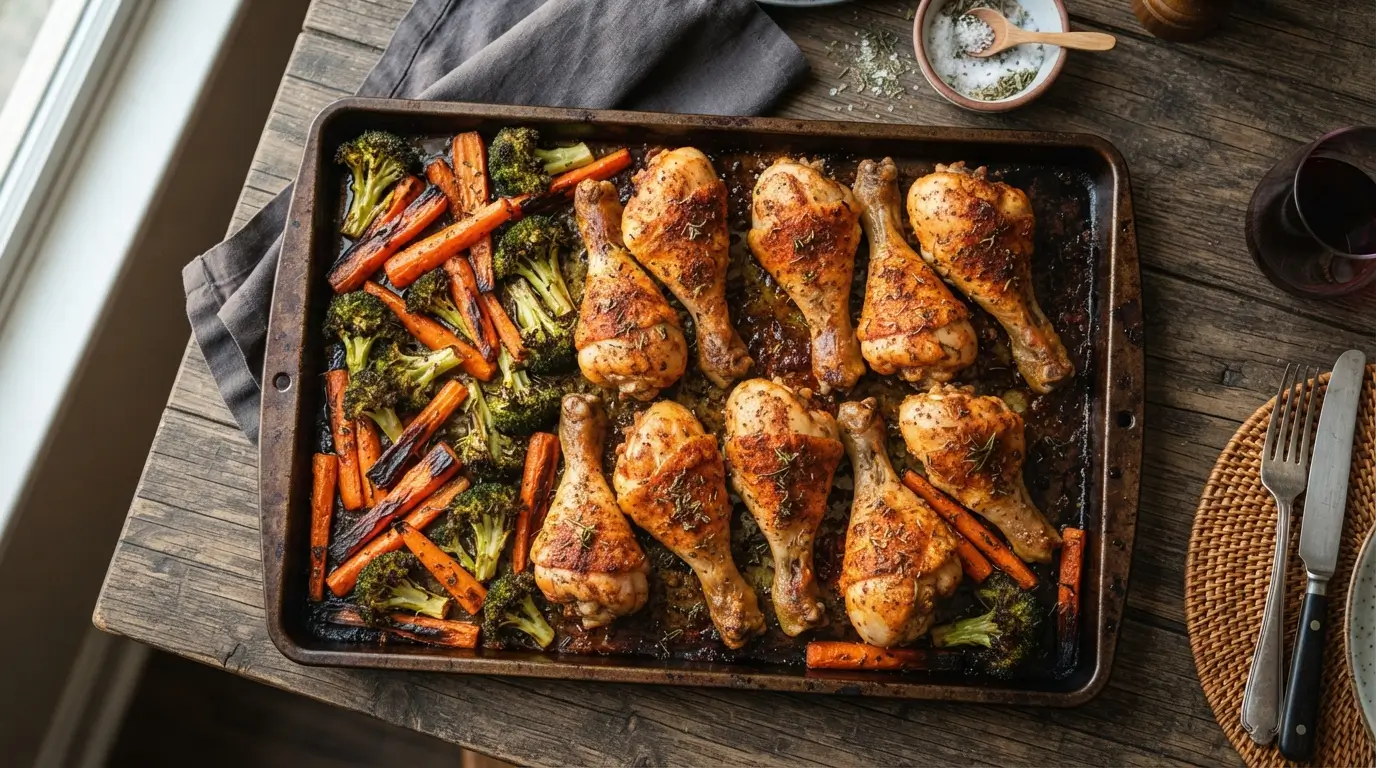
Chicken drumsticks are one of the safest proteins you can cook for anyone with a nut allergy because they require nothing beyond seasoning, oil, and heat to taste exceptional. No marinades with mystery ingredients. No sauces from bottles that list “may contain traces of” in the fine print.
Pat drumsticks dry with paper towels, rub them with olive oil, salt, pepper, garlic powder, smoked paprika, and dried thyme. Arrange on a lined baking sheet skin-side up and roast at 425°F for 40 minutes without opening the oven door. The skin turns deep amber and crispy, the meat stays juicy underneath it, and the whole thing costs about $5 for a full tray. Serve with roasted vegetables cooked on the same pan to save cleanup time and make a complete meal in one shot.
2. Tomato Basil Spaghetti with Ground Turkey
Most jarred pasta sauces carry a surprisingly clean ingredient list, but some contain pine nuts hidden in pesto-based varieties, which counts as a tree nut and poses a real risk for people with nut allergies. Making your own sauce takes 20 minutes and removes that risk completely.
Brown a pound of ground turkey in a large skillet with diced onion, garlic powder, Italian seasoning, salt, and pepper. Pour in two cans of crushed tomatoes, add a pinch of sugar, dried basil, and red pepper flakes. Simmer uncovered for 15 minutes until slightly thickened. Cook spaghetti separately, drain, and toss with the sauce. Top with parmesan cheese and fresh basil. The homemade sauce costs about the same as a jar from the store and tastes dramatically fresher. Verify that your parmesan comes from a facility that doesn’t process nuts alongside it.
3. Sheet Pan Honey Mustard Salmon
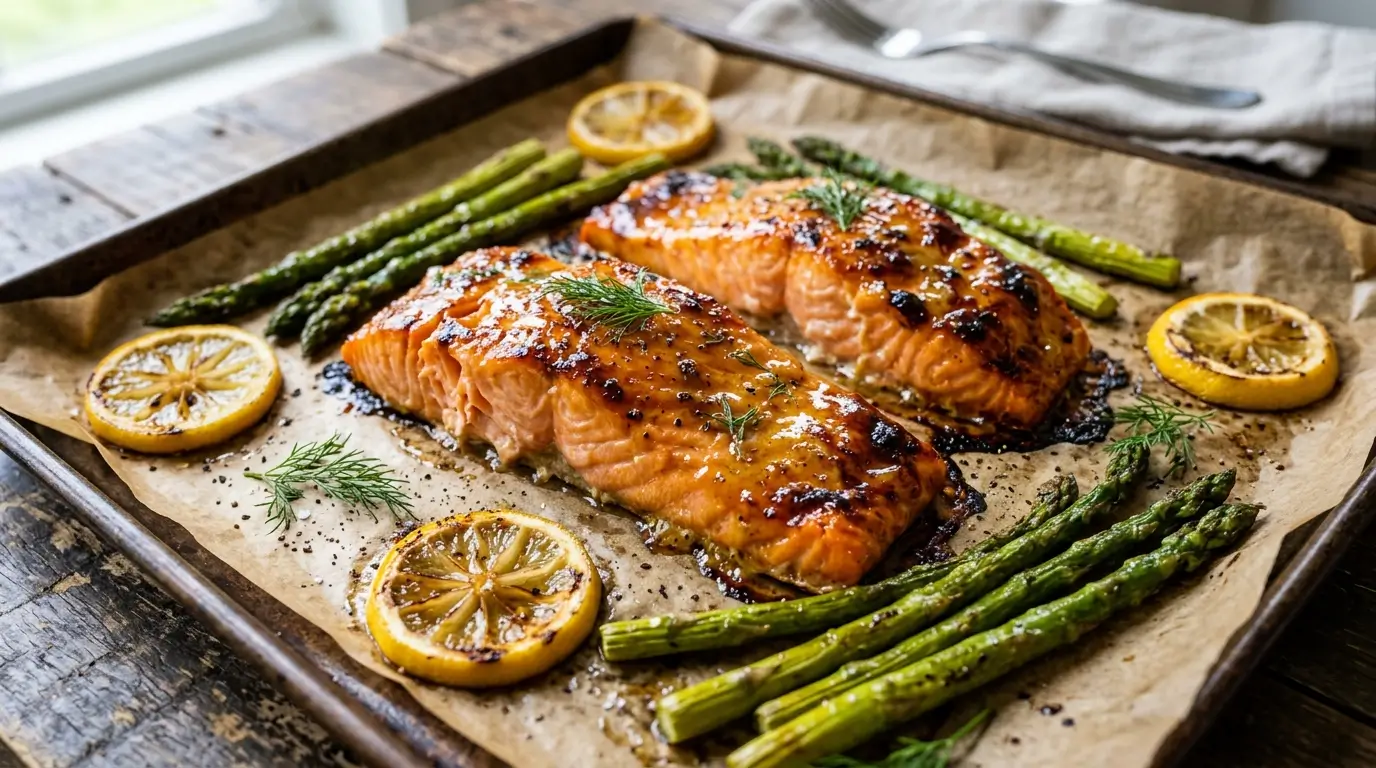
Salmon needs almost nothing to taste excellent, which makes it ideal for nut allergy cooking where simplicity is a feature rather than a limitation. This honey mustard glaze uses pantry staples that carry no nut risk and produces results that feel genuinely restaurant-worthy.
Whisk together two tablespoons of Dijon mustard, one tablespoon of honey, olive oil, salt, pepper, and garlic powder. Spread the glaze evenly over salmon fillets placed on a lined baking sheet. Roast at 400°F for 14 to 16 minutes until the flesh flakes easily and the glaze turns slightly caramelized at the edges. Serve with steamed broccoli or roasted asparagus alongside. Wild-caught frozen salmon from Aldi delivers excellent quality at a price that makes this feel like an affordable weeknight dinner rather than a special occasion meal.
4. Classic Beef and Vegetable Stew
Stews are among the safest category of meals for nut allergy sufferers because they rely entirely on whole ingredients with no processed components hiding trace allergens. This beef stew is warming, hearty, and deeply satisfying in a way that makes it worth making every week during colder months.
Cut chuck roast into chunks and season with salt and pepper. Sear in a heavy pot with oil until browned on all sides, then remove. In the same pot, sauté diced onion, add garlic powder, tomato paste, and beef broth. Return the beef along with cubed potatoes, sliced carrots, celery, thyme, Worcestershire sauce, and a bay leaf. Simmer covered for 75 to 90 minutes until the beef is completely tender. Always verify that your Worcestershire sauce and beef broth carry no nut-related advisory. Lea and Perrins Worcestershire sauce and Swanson beef broth are both widely considered safe options, though label checking remains essential.
5. Egg and Potato Breakfast Skillet
Eggs and potatoes together create one of the most complete, satisfying nut-free meals available at any hour of the day. Both ingredients are naturally nut-free, inexpensive, and require zero label reading beyond the basics.
Dice three medium russet potatoes into small cubes and cook them in a large skillet with olive oil over medium heat, stirring occasionally for 12 to 15 minutes until golden and crispy on the outside. Add a diced onion and bell pepper, season with salt, pepper, paprika, and garlic powder, then cook for another five minutes. Create small wells in the mixture and crack one egg into each well. Cover the pan and cook until the whites set fully. Scatter shredded cheddar cheese on top, let it melt, and serve straight from the skillet.

Beginner Friendly Cottage Recipes for Nut Allergy Sufferers: Spotting Hidden Nut Risks
Understanding where nuts hide in packaged foods matters just as much as choosing safe recipes. Even the most naturally nut-free recipe can become risky if a processed ingredient carries an unexpected advisory or was produced in a shared facility.
Here are the packaged ingredients that most commonly hide nut risks:
- Pesto sauce and many Italian herb sauces (often contain pine nuts)
- Granola, trail mix, and cereal-based toppings
- Asian sauces including hoisin, some teriyaki blends, and satay-style marinades
- Chocolate chips, baking chocolate, and cocoa products from shared facilities
- Pre-made salad dressings, especially those labeled as “gourmet” or “artisan”
- Breadcrumbs and panko from brands that process nuts in the same facility
FYI, the safest approach for anyone with a severe tree nut or peanut allergy is to stick to brands that offer dedicated allergen-free manufacturing rather than simply labeling products as “nut free” without facility-level confirmation. Enjoy Life Foods produces a widely trusted nut-free line for baking ingredients, and their facility practices are genuinely rigorous.
6. Simple Lemon Garlic Roasted Vegetables
A full sheet pan of roasted vegetables makes an excellent side dish or a light vegetarian main when served over rice or with crusty bread. Every ingredient here is naturally nut-free, and the lemon garlic dressing uses nothing beyond pantry staples.
Chop broccoli into florets, halve Brussels sprouts, cube zucchini, and slice bell peppers into strips. Toss everything with olive oil, salt, pepper, garlic powder, lemon juice, and lemon zest. Spread across a large baking sheet without crowding the vegetables, then roast at 425°F for 22 to 25 minutes, flipping once halfway through. The edges caramelize and the lemon brightens everything beautifully. Lemon zest adds a fragrance and intensity that lemon juice alone doesn’t quite achieve, so use both if you can.
7. One-Pot Chicken and Rice Pilaf
Cooking rice in seasoned chicken broth alongside chicken pieces produces a deeply flavorful pot of food that requires almost no active cooking time and uses zero ingredients that would concern someone managing a nut allergy.
Heat olive oil in a Dutch oven and sear seasoned chicken thighs skin-side down for five minutes until golden. Flip and remove from the pot. Sauté a diced onion in the same pot for three minutes, add garlic powder, cumin, and paprika, then pour in rinsed long-grain white rice and chicken broth. Nestle the chicken back on top, cover tightly, and cook over low heat for 22 minutes. The rice absorbs all the flavorful liquid and the chicken finishes cooking perfectly on top. Serve from the pot with a simple side salad.
8. Homemade Chicken Noodle Soup
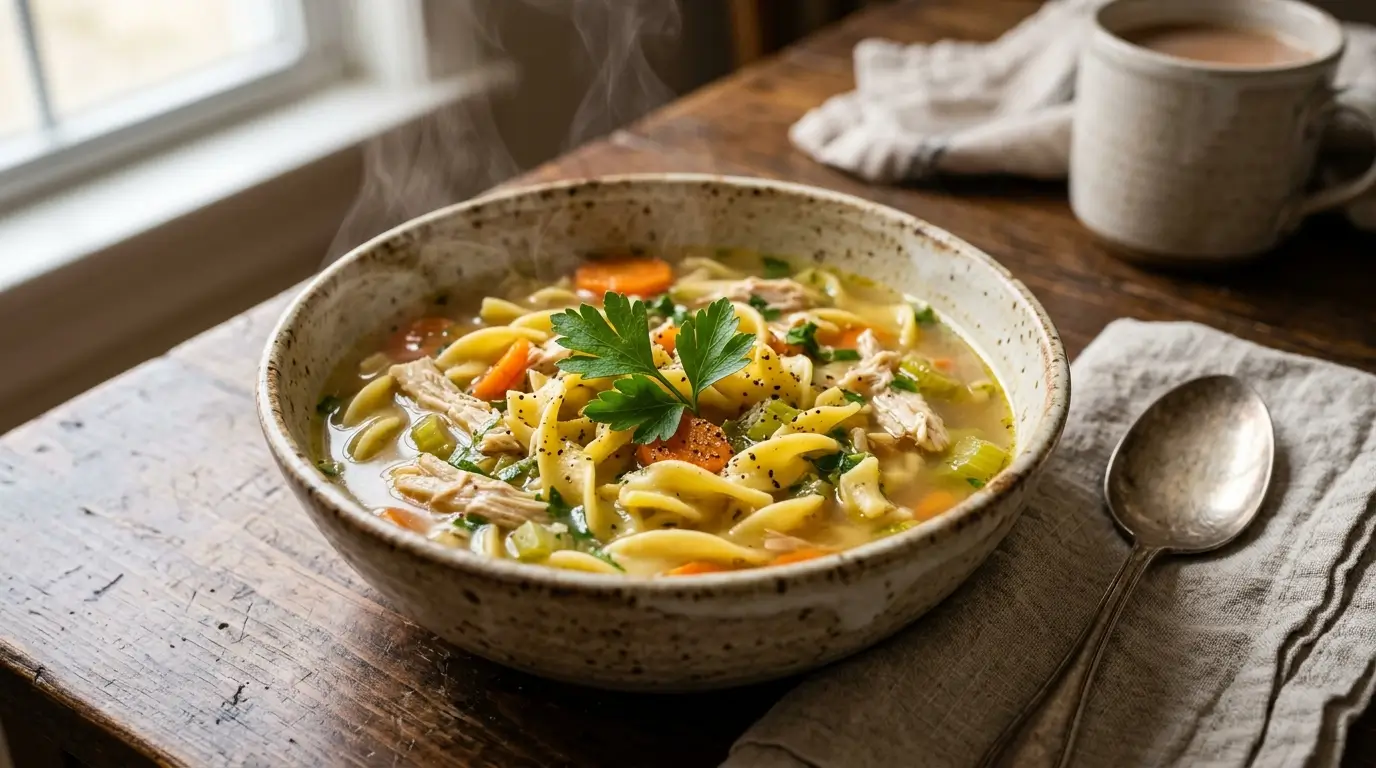
Canned soups carry significant risk for nut allergy sufferers because of shared manufacturing lines. Making chicken noodle soup from scratch takes 45 minutes and produces something that canned soup never comes close to replicating in terms of flavor or safety confidence.
Simmer chicken breasts or thighs in a large pot with chicken broth, diced carrots, celery, onion, garlic powder, dried parsley, thyme, salt, and pepper for 25 minutes. Remove the chicken, shred it with two forks, and return it to the pot. Add egg noodles directly to the broth and cook for eight minutes until tender. Taste and adjust seasoning. The broth from Swanson or Pacific Foods works reliably here, though always verify the current label. Homemade broth using a leftover rotisserie chicken carcass is the most confident nut-free option if you want complete control over every ingredient.
9. Margherita Flatbread Pizza
Store-bought pizza dough and naan bread generally carry clean ingredient lists, but always verify before purchasing since some brands are produced in facilities that also handle nut-containing products. Boboli Original Pizza Crust has historically carried a straightforward label worth checking for current allergen information.
Spread a thin layer of crushed tomatoes seasoned with salt, dried basil, and garlic powder over the flatbread. Lay fresh mozzarella slices on top, add halved cherry tomatoes, and bake at 425°F for 10 to 12 minutes until the cheese bubbles and the crust edges toast. Pull it from the oven and immediately scatter torn fresh basil leaves across the top. Drizzle with a little olive oil and a pinch of flaky salt. The fresh mozzarella melts differently than shredded and produces a creamier, more satisfying result.
10. Simple Vanilla Mug Cake (Nut Free)
Baking for nut allergy sufferers requires careful ingredient sourcing, but a mug cake made entirely from basic pantry staples sidesteps almost every hidden risk because nothing in it comes from a specialty facility.
Combine three tablespoons of all-purpose flour, two tablespoons of sugar, a quarter teaspoon of baking powder, a pinch of salt, two tablespoons of milk, one tablespoon of melted butter, a few drops of pure vanilla extract, and one egg yolk in a large microwave-safe mug. Stir until smooth. Microwave for 60 to 90 seconds depending on your microwave’s power level. The cake will puff up and feel springy when done. Top with a small drizzle of honey or a spoonful of seedless jam. Check your vanilla extract label, some brands process on shared equipment with nut products. Nielsen-Massey Pure Vanilla Extract is a widely trusted option.
FAQs
What makes these beginner friendly cottage recipes safe for nut allergy sufferers?
Every recipe here relies on whole, unprocessed ingredients that contain no nuts naturally. The safety guidance throughout each recipe addresses the most common hidden risks in packaged goods like broths, sauces, and condiments. Avoiding processed shortcuts and checking labels on any packaged component removes the majority of accidental exposure risk.
What packaged ingredients are most likely to contain hidden nuts?
Pesto, hoisin sauce, pre-made salad dressings, granola, chocolate products, and many “gourmet” condiments commonly contain tree nuts or are processed in shared facilities. Always check the allergen statement on the label rather than assuming the flavor profile means no nuts are present. A sauce that sounds nut-free can still carry a shared facility advisory.
How do I make a kitchen safe for cooking nut-free meals?
Wash all surfaces, cutting boards, pans, and utensils thoroughly before use if nuts have been handled in the kitchen previously. Use fresh cooking oil rather than oil that may have been used to cook nut-containing foods. Dedicate specific storage areas for nut-free ingredients to avoid cross-contamination from nearby packages.
Are seeds like sunflower or pumpkin seeds safe for people with nut allergies?
Seeds and tree nuts are biologically different, and many people with nut allergies tolerate seeds without issue. However, individual responses vary significantly, and some people with nut allergies do react to certain seeds. Always consult an allergist for personalized guidance rather than making assumptions based on general information.
What cooking oil is safest for nut allergy sufferers?
Standard olive oil, avocado oil, and sunflower oil carry the lowest allergen risk for most nut allergy sufferers. Avoid peanut oil entirely since peanuts are legumes that cause severe allergic reactions in many people with nut allergies. Coconut oil sits in a complicated middle ground and should only be used after consulting with an allergist.
Conclusion
Cooking confidently with a nut allergy is entirely possible when you stick to whole ingredients, build kitchen habits that prevent cross-contamination, and take label reading seriously on every packaged product you use. These recipes exist to make that process feel less like a minefield and more like just cooking dinner. Which recipe feels like the right one to start with this week?