

Managing blood sugar while trying to keep grocery costs reasonable feels like an impossible balancing act some weeks, but these affordable cottage recipes for diabetic diets prove that eating well with diabetes doesn’t have to drain your wallet or your energy. My father-in-law was diagnosed with type 2 diabetes three years ago, and watching him learn to cook around his numbers while still genuinely enjoying food changed how I think about diabetic eating entirely. These recipes are his favorites, and mine too.
1. Baked Lemon Herb Salmon with Steamed Broccoli
Salmon is one of the best proteins for blood sugar management because it contains zero carbohydrates and healthy omega-3 fatty acids that support insulin sensitivity over time. Paired with broccoli, which has a glycemic index close to zero, this meal keeps blood glucose stable without sacrificing satisfaction.
Season salmon fillets with olive oil, lemon juice, lemon zest, garlic powder, dried dill, salt, and pepper. Bake at 400°F for 14 to 16 minutes until the flesh flakes easily. Steam broccoli florets for five minutes until tender but still bright green. The lemon and dill combination cuts through the richness of the salmon and makes this feel fresh rather than clinical. Frozen salmon fillets from Aldi cost a fraction of fresh and taste nearly identical when properly seasoned.
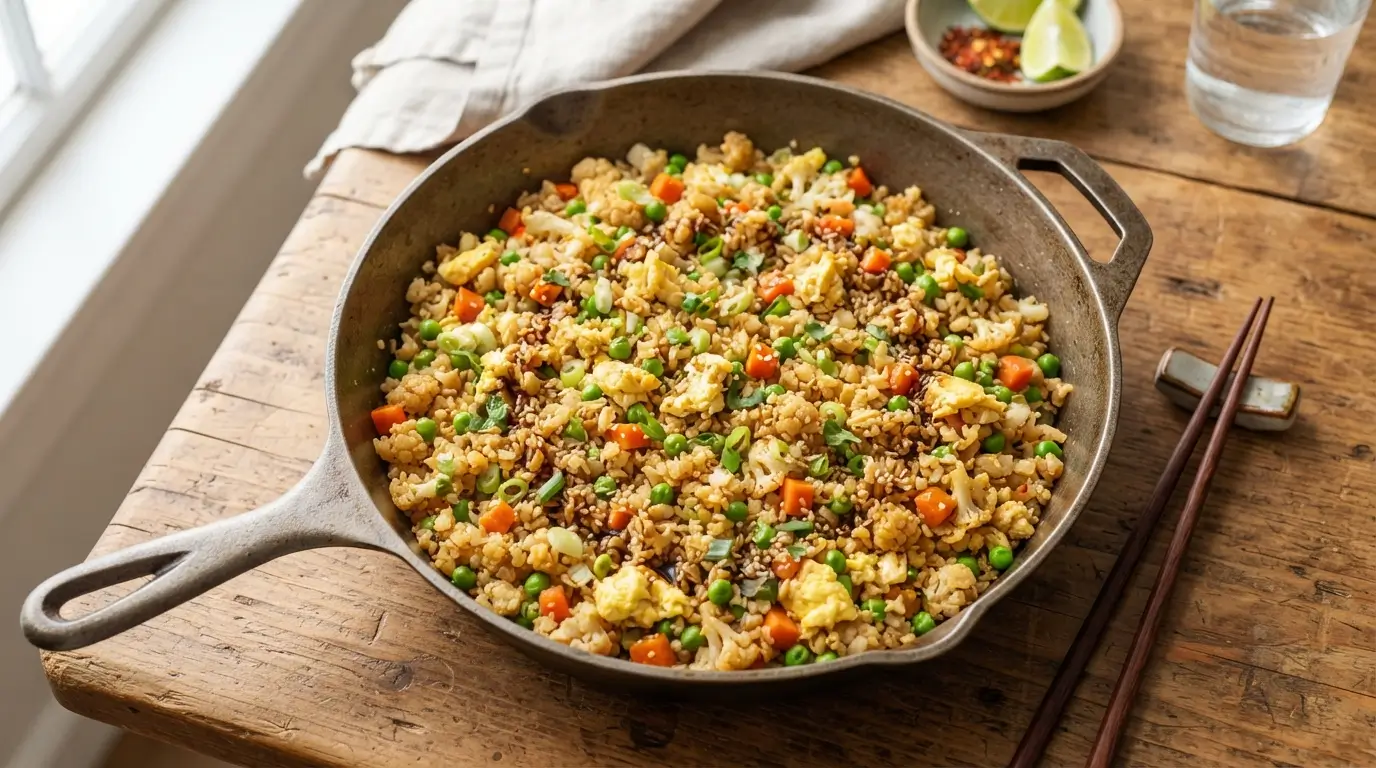
2. Cauliflower Fried Rice with Eggs
White rice causes significant blood sugar spikes for many diabetics because of its high glycemic index. Cauliflower rice delivers the same satisfying texture and takes on savory flavors beautifully, with almost no impact on blood glucose levels and a fraction of the carbohydrates.
Pulse cauliflower florets in a food processor until they resemble rice grains, or buy a bag of pre-riced cauliflower from Trader Joe’s to save time. Heat oil in a large skillet over high heat, add the cauliflower rice, and cook for five minutes until slightly golden. Push to one side, scramble two eggs in the empty space, then mix through with soy sauce (use Tamari for gluten free), sesame oil, frozen peas, diced carrots, and green onion. One cup of cauliflower rice contains roughly 5 grams of carbohydrates compared to 45 grams in a cup of cooked white rice. The difference matters enormously for blood sugar management.
3. Turkey and Vegetable Stuffed Bell Peppers
Ground turkey is lean, affordable, and genuinely filling. Stuffing it inside bell peppers with plenty of vegetables and a small amount of brown rice produces a complete, balanced meal with a moderate glycemic load rather than a spike. Bell peppers themselves are low in carbohydrates and high in vitamin C, which some research suggests may support insulin function.
Brown a pound of ground turkey in a skillet with diced onion, garlic powder, cumin, Italian seasoning, salt, and pepper. Stir in a can of diced tomatoes (drained), half a cup of cooked brown rice, and a handful of shredded mozzarella. Cut bell peppers in half lengthwise, fill each half generously, top with a little extra cheese, and bake at 375°F for 30 minutes. A pound of ground turkey typically costs $4 to $5 and fills six pepper halves, making the per-serving cost genuinely reasonable for a family managing food and healthcare costs simultaneously.
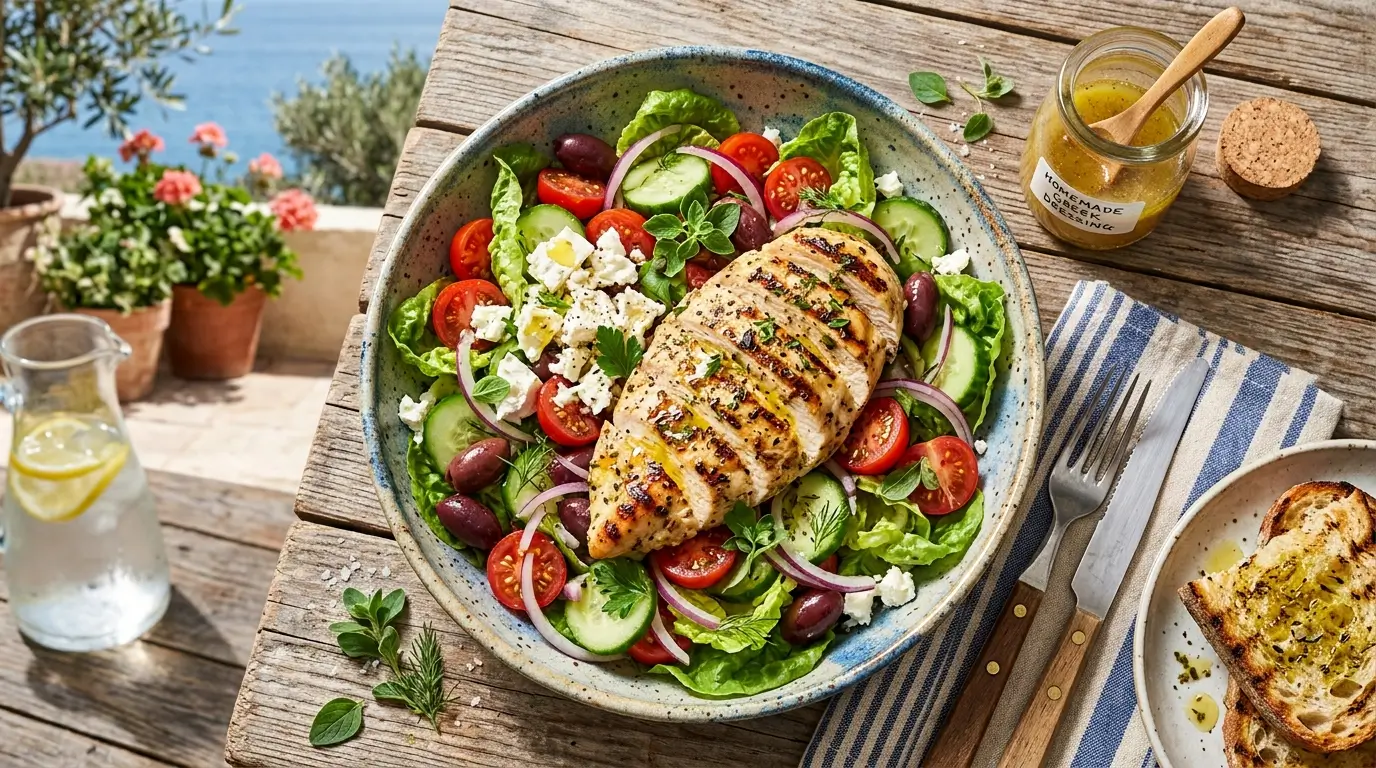
4. Greek Salad with Grilled Chicken
A substantial salad built around protein and healthy fat rather than croutons and sugary dressing satisfies hunger for hours and keeps blood sugar impressively stable compared to grain-heavy meals. This Greek version uses ingredients that are inexpensive, widely available, and require almost no cooking skill.
Grill or pan-cook chicken breast seasoned with olive oil, oregano, garlic powder, and lemon juice until cooked through, then slice thinly. Toss sliced cucumber, halved cherry tomatoes, chopped romaine, Kalamata olives, and crumbled feta in a large bowl. Dress with olive oil, red wine vinegar, dried oregano, salt, and pepper. Top with the sliced chicken. Skip store-bought dressings for this one, many contain added sugar that raises the glycemic load quietly without you noticing. Making it yourself takes 60 seconds and tastes significantly better.
5. Slow Cooker Chicken and Vegetable Soup
Broth-based soups built around lean protein and non-starchy vegetables are among the most blood-sugar-friendly meals available, and the slow cooker makes them completely hands-off. This soup uses simple, cheap ingredients and produces a deeply satisfying pot that covers multiple meals from a single cooking session.
Add raw chicken thighs, diced carrots, celery, zucchini, a diced onion, garlic powder, chicken broth, dried thyme, parsley, salt, and pepper to a slow cooker. Cook on low for 7 to 8 hours. Shred the chicken with two forks directly in the pot and stir everything together. Skip the noodles or white rice that most chicken soup recipes include, and serve as is or over a small portion of cooked barley, which has a significantly lower glycemic index than white rice or regular pasta. Pacific Foods Low Sodium Chicken Broth works well here and contains no added sugars.
Affordable Cottage Recipes for Diabetic Diets: Building a Lower Glycemic Pantry
Getting the pantry right makes every affordable cottage recipe for diabetic diets easier to pull together throughout the week. The goal is replacing high-glycemic staples with lower-glycemic alternatives that cost roughly the same amount and cook in similar ways.
Here’s what to swap and what to stock:
- Replace white rice with cauliflower rice, barley, or small portions of brown rice
- Replace white bread with 100% whole grain or Ezekiel 4:9 bread (low glycemic index)
- Replace regular pasta with chickpea pasta (Banza) or lentil pasta for lower carb content
- Stock canned beans, lentils, and chickpeas as affordable blood-sugar-friendly protein sources
- Keep frozen vegetables on hand for quick meals without fresh produce pressure
- Use olive oil as the primary cooking fat for its heart-supportive properties
Aldi carries most of these staples at lower prices than mainstream grocery stores. Buying store-brand olive oil, frozen vegetables, and canned beans there specifically cuts monthly grocery costs without changing the quality of what goes into your meals.
6. Egg and Spinach Scramble with Avocado
Eggs contain virtually no carbohydrates and provide high-quality protein that supports steady blood glucose throughout the morning. Combined with spinach, which is one of the most nutrient-dense and lowest glycemic vegetables available, this breakfast covers multiple nutritional bases in under ten minutes.
Wilt a large handful of fresh or frozen spinach in a small skillet with olive oil and a pinch of garlic powder. Add two or three whisked eggs, salt, and pepper, then scramble gently over medium-low heat until just cooked through. Serve alongside half a sliced avocado with flaky salt and a squeeze of lemon. The healthy fat in avocado slows digestion, which further moderates the blood sugar response after eating. This entire breakfast costs around $1.50 and keeps blood glucose significantly more stable than toast or cereal would.
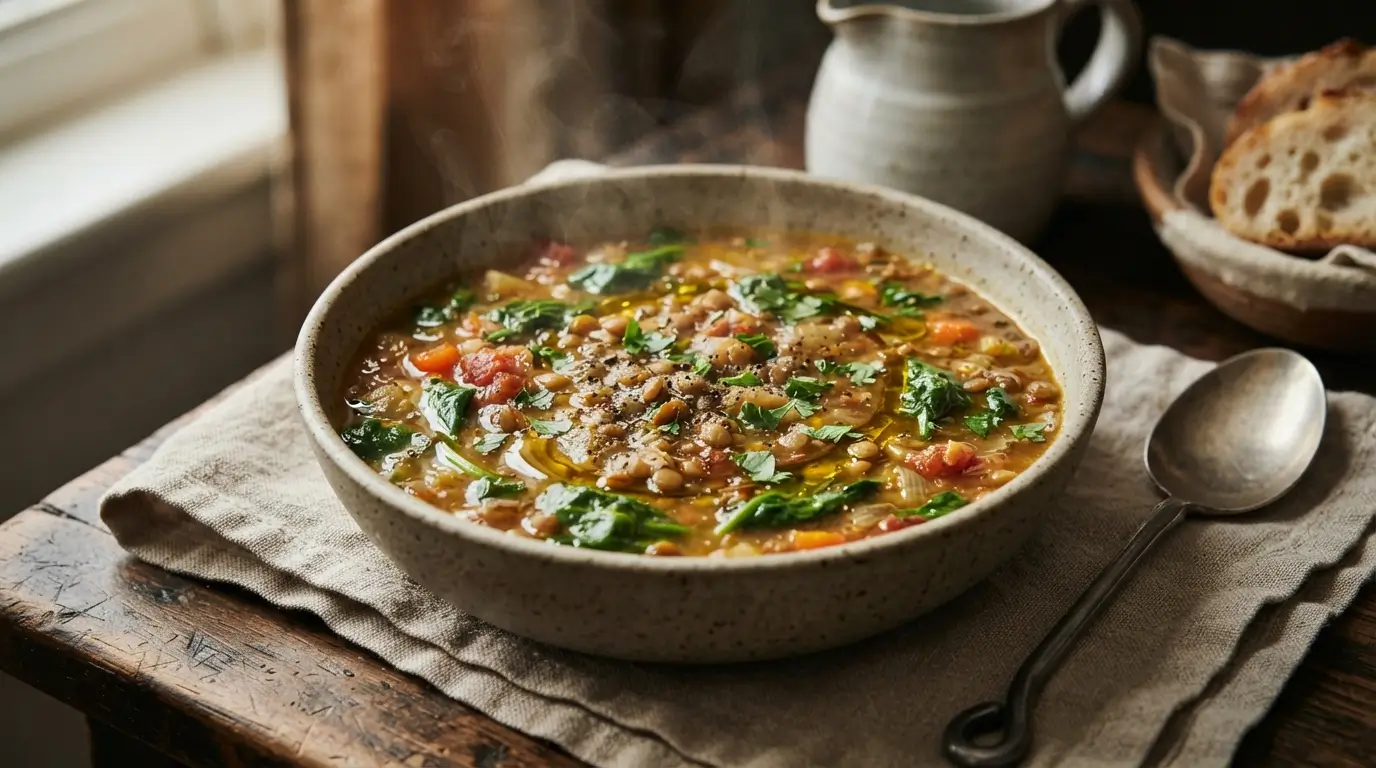
7. Lentil and Spinach Soup
Lentils have one of the lowest glycemic indexes of any legume, making them one of the most practical and affordable ingredients for diabetic cooking. They’re also high in fiber and protein, both of which slow the absorption of glucose into the bloodstream after a meal.
Heat olive oil in a large pot and sauté a diced onion and two minced garlic cloves until soft. Add rinsed green or brown lentils, chicken or vegetable broth, a can of diced tomatoes, cumin, coriander, turmeric, salt, and a generous pinch of cayenne. Simmer covered for 25 to 30 minutes until the lentils are completely tender. Stir in two large handfuls of fresh spinach right at the end and let them wilt for two minutes. A one-pound bag of dried lentils costs under $2 and produces six full servings of this soup. FYI, this freezes perfectly in individual portions for busy weeknight dinners.
8. Baked Cod with Roasted Asparagus
White fish is an excellent affordable protein for diabetic cooking because it’s lean, low in carbohydrates, and takes on whatever seasonings you add without requiring heavy sauces or coatings. Asparagus contains a prebiotic fiber called inulin that some research links to improved blood sugar regulation over time.
Place cod fillets in a baking dish and season with olive oil, lemon juice, garlic powder, paprika, salt, and pepper. Arrange asparagus spears around the fish, drizzle them with olive oil and salt, and bake everything together at 400°F for 15 minutes. The fish cooks at the same rate as the asparagus in a single pan, which means one dish and minimal cleanup. Frozen cod fillets cost significantly less than fresh and deliver identical results when thawed overnight in the fridge before baking.
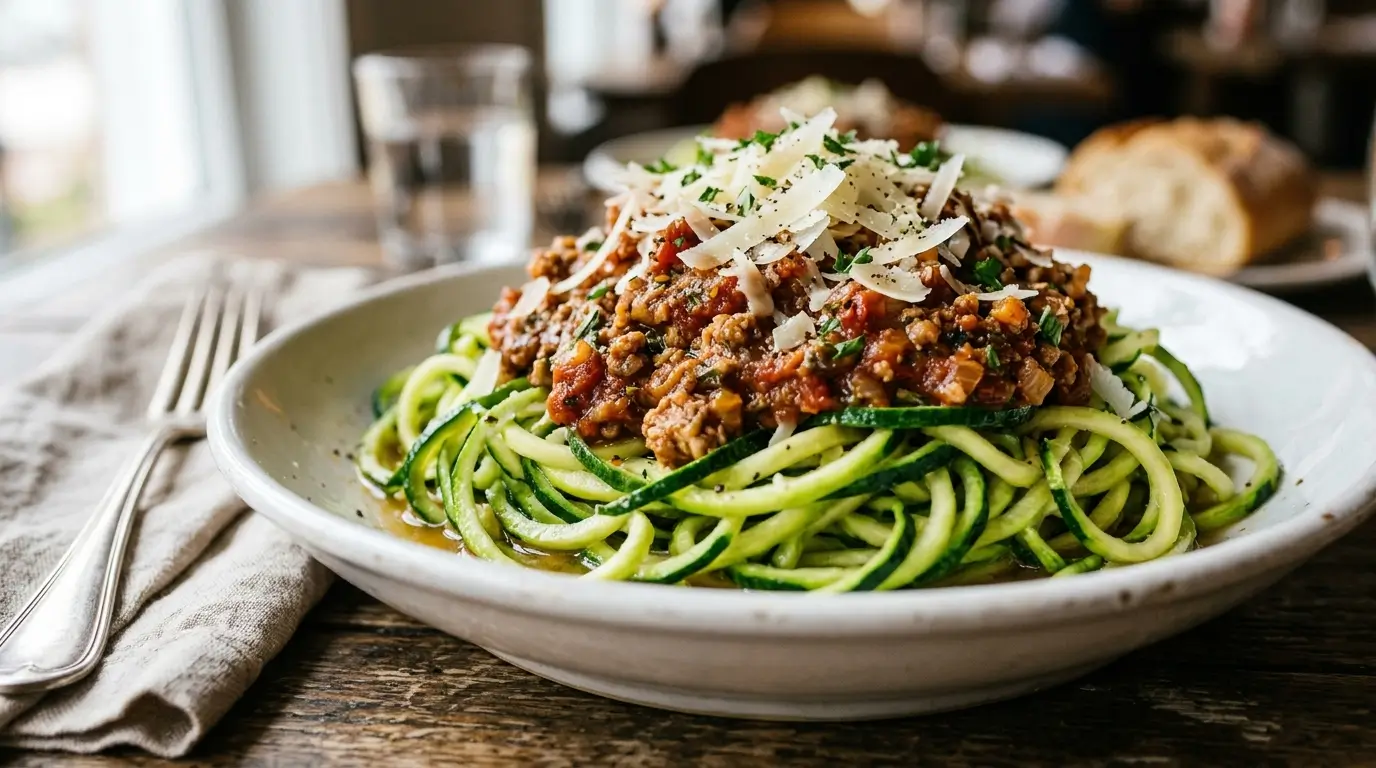
9. Zucchini Noodles with Turkey Bolognese
Zucchini noodles carry a fraction of the carbohydrates that regular pasta contains, which makes them one of the most practical swaps for diabetics who miss pasta-based meals. The key to enjoying them is not overcooking them, which turns them watery and limp rather than satisfying.
Make a bolognese by browning ground turkey with diced onion, garlic, Italian seasoning, salt, and pepper. Add a can of crushed tomatoes, a small splash of chicken broth, and simmer for 20 minutes until thick and rich. While the sauce simmers, spiralize two medium zucchini using an OXO Handheld Spiralizer or a box grater on the large holes. Warm the zucchini noodles briefly in a dry skillet for two minutes, just enough to take the raw edge off without releasing too much water. Spoon the turkey bolognese generously on top and finish with parmesan. Nobody at the table misses the pasta.
10. Greek Yogurt Parfait with Berries and Nuts
Dessert and diabetic eating feel like mutually exclusive categories until you build something like this parfait. Plain Greek yogurt has a low glycemic index, berries rank among the lowest-sugar fruits available, and nuts add healthy fat that slows glucose absorption. Together, they make a snack or dessert that genuinely satisfies a sweet craving.
Layer plain Fage Total 0% Greek yogurt in a glass with fresh or frozen blueberries, sliced strawberries, and a small handful of chopped walnuts or almonds. Add a light drizzle of honey if needed, no more than half a teaspoon, and a sprinkle of cinnamon, which some research indicates may support healthy blood sugar levels. Avoid flavored yogurts entirely. Most flavored varieties contain 15 to 25 grams of added sugar per serving, which completely undermines the purpose of this otherwise excellent option. IMO, plain Greek yogurt with your own toppings always beats the flavored versions on every level.
FAQs
What makes these affordable cottage recipes good specifically for diabetic diets?
Every recipe here focuses on lean protein, non-starchy vegetables, healthy fats, and low-glycemic carbohydrate sources. These combinations produce slower glucose absorption after meals compared to refined carbohydrate-heavy dishes. The goal across all of them is blood sugar stability rather than a sharp spike and crash, which most people with diabetes feel noticeably in how they function afterward.
Are beans and lentils safe for people with diabetes?
Yes, beans and lentils are among the most diabetes-friendly foods available. Their high fiber and protein content slows glucose absorption significantly compared to grains or starchy vegetables. Canned beans work well when rinsed thoroughly to reduce sodium content. Dried beans and lentils cost less and give you more control over sodium levels throughout cooking.
What cooking oils work best for diabetic-friendly cooking?
Olive oil is the strongest choice for most cooking at medium heat because of its heart-supportive monounsaturated fat content. Avocado oil handles higher cooking temperatures without breaking down. Both support healthy cholesterol levels, which matters for diabetics who face elevated cardiovascular risk. Avoid highly processed vegetable oils and cooking sprays with additives where possible.
Can I still eat fruit on a diabetic diet?
Yes, with some awareness of portion size and fruit type. Berries, cherries, and apples have significantly lower glycemic indexes than bananas, grapes, or tropical fruits like mango and pineapple. Eating fruit alongside protein or healthy fat slows glucose absorption further. A small apple with peanut butter raises blood sugar far more gradually than the same apple eaten alone.
How do I track which recipes actually keep my blood sugar stable?
Testing blood glucose roughly two hours after eating gives a clear picture of how your body responded to a specific meal. Keeping a simple food log alongside those readings, even just notes in your phone, shows patterns over time. Many people with type 2 diabetes find that their personal responses to specific foods vary from general guidelines, so personal testing is more informative than any generic list.
Conclusion
Eating well with diabetes is genuinely possible on a real budget, and none of it requires specialty health food stores, expensive substitutes, or meals that feel like punishment. These recipes are ones I’ve cooked and shared and watched people with diabetes eat with real pleasure, not reluctant obligation. Which one are you planning to try first this week?