

Retirement should mean cooking what you actually want, not cutting corners on flavor just because the grocery budget tightened up. The budget friendly cottage recipes for retirees I’m sharing here came straight from my parents’ kitchen, a cozy lake cottage where my mom figured out years ago that eating well on a fixed income wasn’t just possible, it was actually more satisfying than anything they cooked during their busier, bigger-spending years. Good food doesn’t have to cost much.
1. Slow Cooker White Bean and Ham Soup
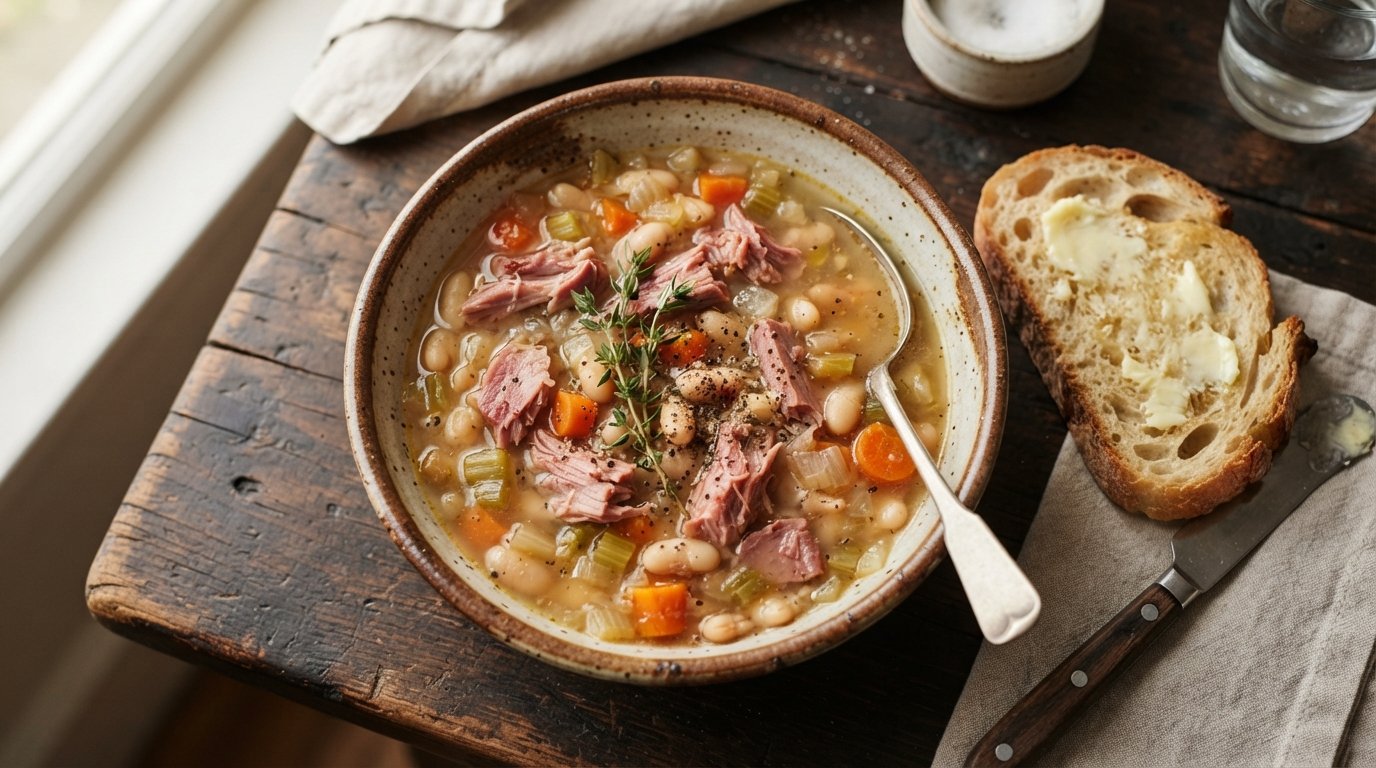
Nothing stretches a dollar quite like dried beans and a leftover ham hock. This soup takes five minutes of prep in the morning and fills your whole cottage with the kind of smell that makes you feel genuinely content. My mom has made this every single winter since she retired, and it costs her under $4 for a pot that feeds two people for three days.
Combine rinsed dried white beans, a ham hock or diced leftover ham, chicken broth, a diced onion, two carrots, two celery stalks, garlic powder, thyme, and a bay leaf in your slow cooker. Set it on low for 8 to 10 hours. Remove the bay leaf, shred any meat off the ham hock, stir everything together, and serve with crusty bread. The beans thicken the broth naturally as they cook, so you get a hearty, almost creamy soup without adding anything extra.
2. Baked Oatmeal with Apples and Cinnamon
Most retirees I know have the luxury of a slow morning, and baked oatmeal is exactly the kind of breakfast that rewards that pace. You throw it together the night before, refrigerate it, and bake it fresh in the morning. It makes the whole kitchen smell incredible, which is reason enough to make it regularly.
Mix old-fashioned rolled oats, milk, an egg, maple syrup, baking powder, vanilla, cinnamon, and diced apple in a baking dish. Cover and refrigerate overnight. Bake at 375°F for 35 to 40 minutes in the morning until the top is golden and set. Quaker Old Fashioned Oats work perfectly here. Serve warm with a splash of milk or a small scoop of yogurt on the side. The leftovers reheat beautifully for the next two mornings, so one baking dish covers three breakfasts.
3. One-Pot Lemon Garlic Chicken and Rice
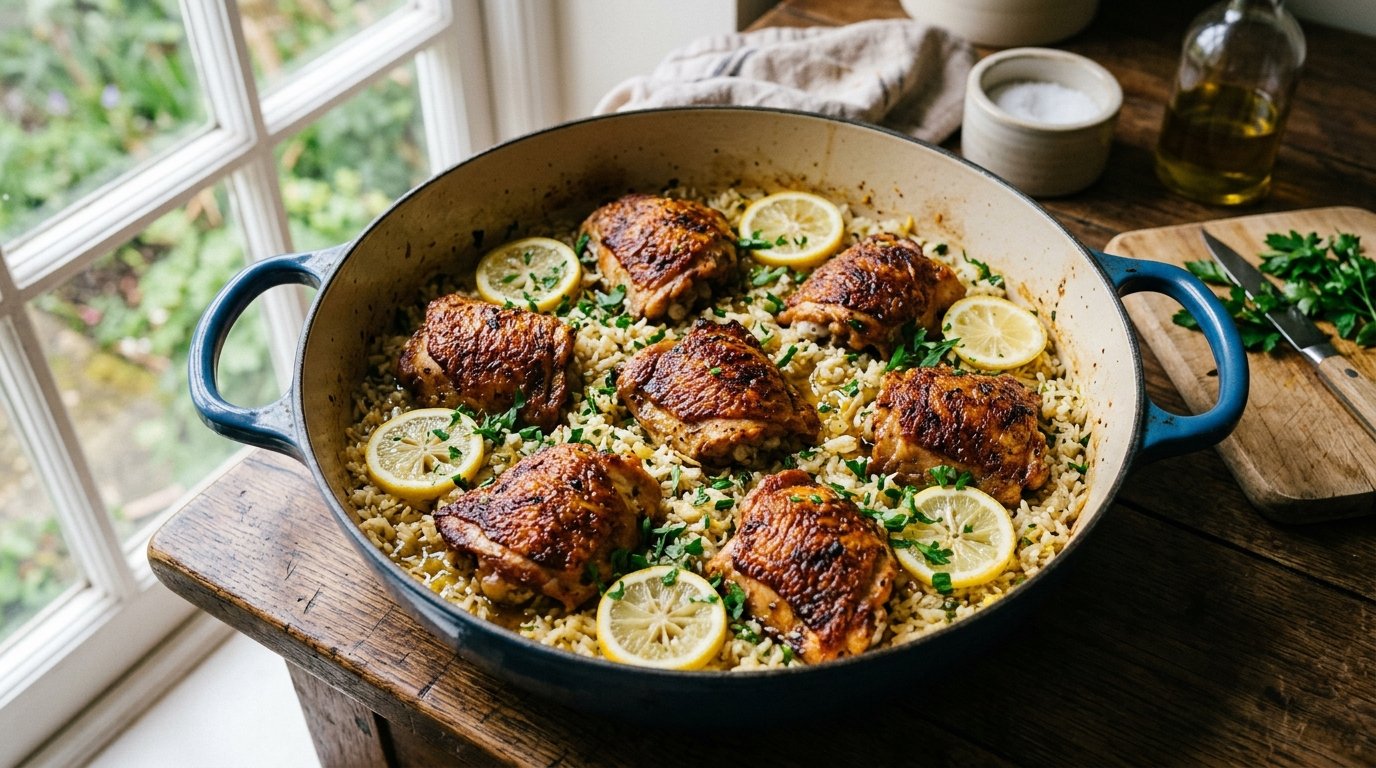
Chicken thighs are inexpensive, flavorful, and almost impossible to dry out, which makes them the ideal protein for budget cooking. This one-pot recipe produces a full, satisfying dinner with minimal dishes, which my dad appreciated because he always insisted on doing the washing up.
Season bone-in chicken thighs with salt, pepper, garlic powder, and paprika. Sear them skin-side down in a Dutch oven for five minutes until golden, then flip and remove. In the same pot, sauté a diced onion, add rinsed long-grain white rice, chicken broth, lemon juice, and lemon zest. Nestle the chicken back on top, cover, and cook over low heat for 25 minutes. The rice absorbs all the pan drippings and lemon flavor, and you end up with something that tastes far more effortful than it actually was.
4. Cottage Cheese Stuffed Bell Peppers
Bell peppers on sale are one of the best budget finds at any grocery store, and stuffed peppers make them feel genuinely special. This version uses cottage cheese as a protein-packed filler instead of ground beef, which keeps costs low and adds a creamy texture that actually works better than you’d expect.
Cut bell peppers in half lengthwise and place them cut-side up on a baking sheet. Mix cottage cheese with cooked rice, Italian seasoning, garlic powder, diced tomatoes, salt, and a handful of shredded mozzarella. Spoon the mixture into each pepper half, top with a little extra cheese, and bake at 375°F for 30 minutes. These cost about $1.50 per serving and reheat perfectly the next day. This recipe quietly became one of my favorite budget friendly cottage recipes for retirees because it looks impressive while costing almost nothing.
5. Vegetable Frittata (Fridge Cleanout Edition)
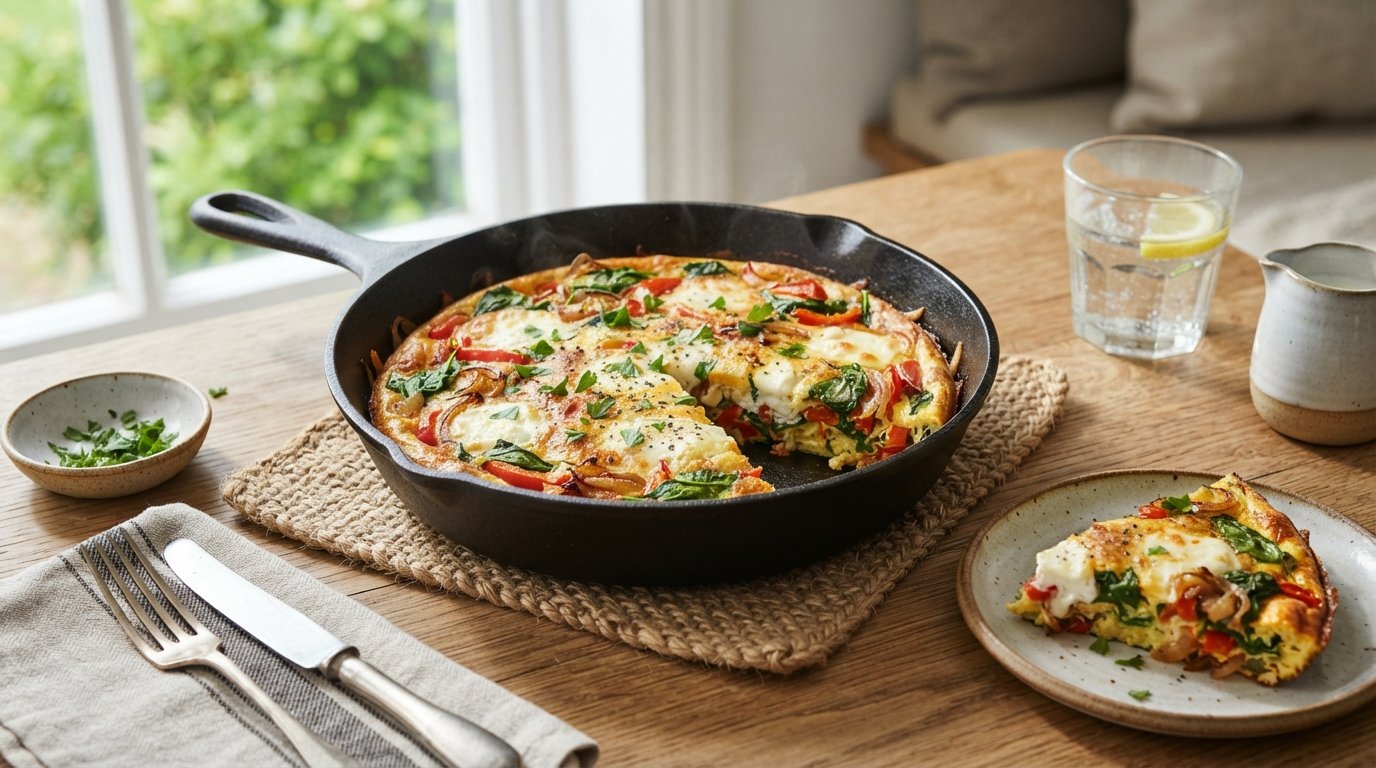
A frittata is one of those recipes that rewards you for having random vegetables hanging around that need to be used up. It costs almost nothing, takes 20 minutes start to finish, and works for breakfast, lunch, or dinner depending on what you serve it alongside. My mom calls it her “use everything up” meal, and she makes one almost every week.
Preheat your oven to 375°F. Sauté whatever vegetables you have, spinach, zucchini, mushrooms, and diced bell pepper all work beautifully, in an oven-safe skillet with olive oil. Whisk six eggs with a splash of milk, salt, pepper, and shredded cheese. Pour the egg mixture over the vegetables and cook on the stovetop for two minutes until the edges just set, then transfer to the oven for 12 to 15 minutes until the center is firm. Slice like a pie and serve straight from the skillet.
6. Split Pea Soup with Crusty Bread
Split peas are one of the cheapest ingredients in any grocery store, usually under $2 for a full pound, and they produce one of the most warming, filling soups you can make. No soaking required. They cook down into a thick, velvety soup all on their own, which feels like a small miracle every time.
Combine rinsed green split peas, diced carrots, celery, onion, garlic, chicken broth, a bay leaf, and a smoked ham hock in a large pot. Bring to a boil, reduce to a simmer, and cook for 60 to 75 minutes until the peas completely break down. Remove the bay leaf and ham hock, shred any meat back into the pot, and season with salt and pepper. Serve with a thick slice of sourdough or any crusty bread you like. Split pea soup gets even better the next day as the flavors deepen overnight.
7. Tuna Noodle Casserole (The Good Version)
Tuna noodle casserole gets a bad reputation because most people have only eaten the version made with canned cream of mushroom soup from a box recipe that hasn’t been updated since 1987. Made properly, it’s genuinely delicious, deeply comforting, and cheap enough to make twice a week without guilt.
Cook egg noodles and set aside. Make a simple roux with butter, flour, and milk to create a creamy white sauce, then stir in shredded cheddar, salt, pepper, and garlic powder. Fold in two cans of drained tuna (Starkist Chunk Light works perfectly), frozen peas, and the cooked noodles. Pour into a baking dish, top with breadcrumbs and a little melted butter, and bake at 375°F for 25 minutes until the top is golden and crispy. This feeds four people for around $6 total.
8. Roasted Root Vegetable Sheet Pan Dinner
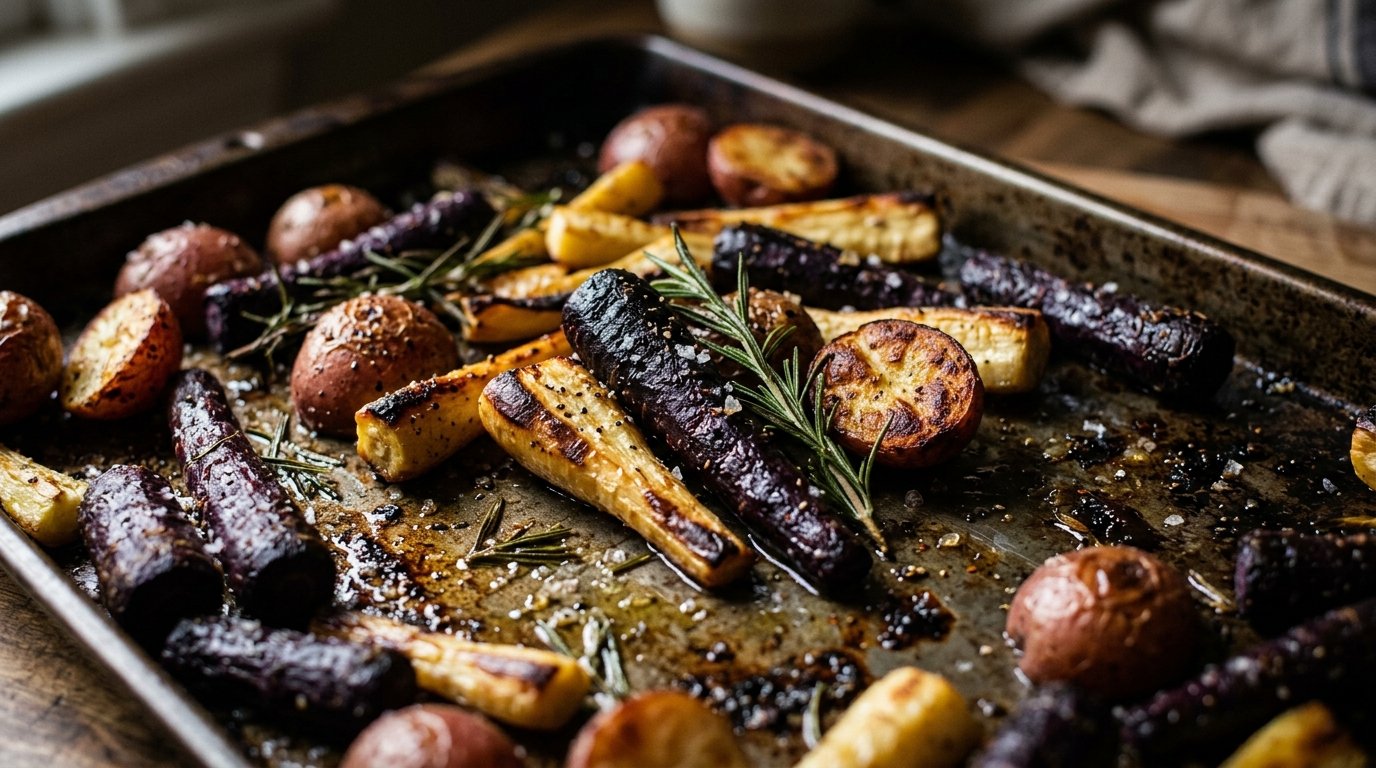
Carrots, parsnips, turnips, and potatoes are among the least expensive vegetables at any grocery store, and roasting them at high heat turns their natural sugars into something almost caramelized and deeply satisfying. This is a vegetarian dinner that never feels like a compromise.
Chop your root vegetables into similar-sized chunks so they cook evenly. Toss with olive oil, salt, pepper, dried rosemary, and garlic powder. Spread them in a single layer on a large baking sheet without crowding them, crowding causes steaming instead of roasting, and that kills the caramelized edges entirely. Roast at 425°F for 35 to 40 minutes, flipping once halfway through. Serve with a soft-boiled egg on top for extra protein, or alongside a bowl of the white bean soup from earlier in this list for a full, warming meal.
Budget Friendly Cottage Recipes for Retirees: Smart Pantry Staples to Keep on Hand
Stocking the right pantry is what makes budget friendly cottage recipes for retirees actually work week after week. When you always have these basics on hand, pulling together a real meal from minimal fresh ingredients becomes second nature.
Here’s what I’d keep stocked at any cottage kitchen:
- Dried beans and lentils (far cheaper than canned)
- Long-grain white rice and egg noodles
- Canned tuna, diced tomatoes, and chicken broth
- Olive oil, butter, and basic dried herbs
- Oats, flour, and baking powder
- Onions, garlic, and carrots (they last weeks and go into everything)
Buying dried goods at Aldi or a warehouse store like Costco cuts costs significantly. A $2 bag of dried split peas makes six servings of soup. That math matters when you’re working with a fixed monthly income and still want to eat well every single day.
9. Homemade Vegetable Beef Stew
A pound of beef stew meat, cut into small pieces, goes surprisingly far when you surround it with a full pot of vegetables and a rich, savory broth. This stew is the kind of recipe that tastes like it simmered all day even when you only gave it 90 minutes.
Brown the beef in batches in a heavy-bottomed pot with a little oil until deeply seared on all sides, then set aside. Sauté onion and garlic in the same pot, then add beef broth, diced potatoes, carrots, celery, canned diced tomatoes, Worcestershire sauce, thyme, salt, and pepper. Return the beef to the pot and simmer covered for 60 to 75 minutes until the beef is tender and the broth has thickened slightly. FYI, if you have a Dutch oven, use it here. The heavy base distributes heat evenly and produces a noticeably better stew than a thin-bottomed pot.
10. Blueberry Cornbread Muffins
Baking your own muffins costs a fraction of buying them at a bakery, and these blueberry cornbread muffins are the kind of thing you’ll want to make every week. They come together in one bowl, bake in 20 minutes, and taste genuinely special alongside morning coffee or afternoon tea.
Combine cornmeal, flour, sugar, baking powder, and salt in a bowl. Stir in an egg, melted butter, and milk until just combined. Fold in a generous handful of fresh or frozen blueberries. Spoon into a greased muffin tin and bake at 400°F for 18 to 20 minutes until golden. Frozen blueberries from Aldi work perfectly and cost far less than fresh. These keep well for three days at room temperature or freeze beautifully for up to two months.
FAQs
What are the most affordable budget friendly cottage recipes for retirees?
Split pea soup, white bean and ham soup, and the tuna noodle casserole consistently come in under $2 per serving. Dried beans and lentils offer the best cost-per-meal of almost any ingredient. Building meals around pantry staples and whatever produce is on sale keeps weekly grocery spending genuinely low without sacrificing satisfaction or nutrition.
Can these recipes be scaled down for one person?
Absolutely. Most of these halve easily without any technique changes. Soups and stews are actually the most flexible since you can freeze individual portions for later. For baked recipes like the oatmeal or cornbread muffins, a half batch fits perfectly in a smaller baking dish or a six-cup muffin tin.
How do I keep grocery costs low while still eating nutritiously?
Prioritize whole grains, dried legumes, eggs, canned fish, and seasonal produce. These give you the most nutritional value per dollar spent. Avoiding pre-packaged and pre-cut items shaves significant amounts off your weekly bill. Aldi, Lidl, and buying store-brand canned goods all help stretch a fixed budget without eating less.
Are these recipes suitable for people managing sodium or cholesterol?
Several of them work well with simple swaps. Use low-sodium chicken broth in soups and stews, rinse canned beans before using them, and reduce added salt throughout. For cholesterol concerns, swapping whole milk for low-fat milk and using olive oil instead of butter in most savory recipes makes a real difference without changing the flavor much.
What kitchen equipment makes cottage cooking easier for retirees?
A good slow cooker, a Dutch oven, and one solid baking sheet cover the majority of what you’ll cook. The Crockpot 7-quart slow cooker handles every soup and stew recipe here with ease. A Lodge enameled Dutch oven lasts decades and works for everything from stovetop soups to oven braises. Simple tools, used consistently, outperform a kitchen full of gadgets every time.
Conclusion
Eating well in retirement doesn’t mean spending more, it means cooking smarter with ingredients that genuinely deliver on flavor and nutrition without draining your budget. These recipes are ones I’ve watched real people cook with real satisfaction, week after week, in small kitchens that felt more alive than any restaurant. Which one are you planning to try first this week?